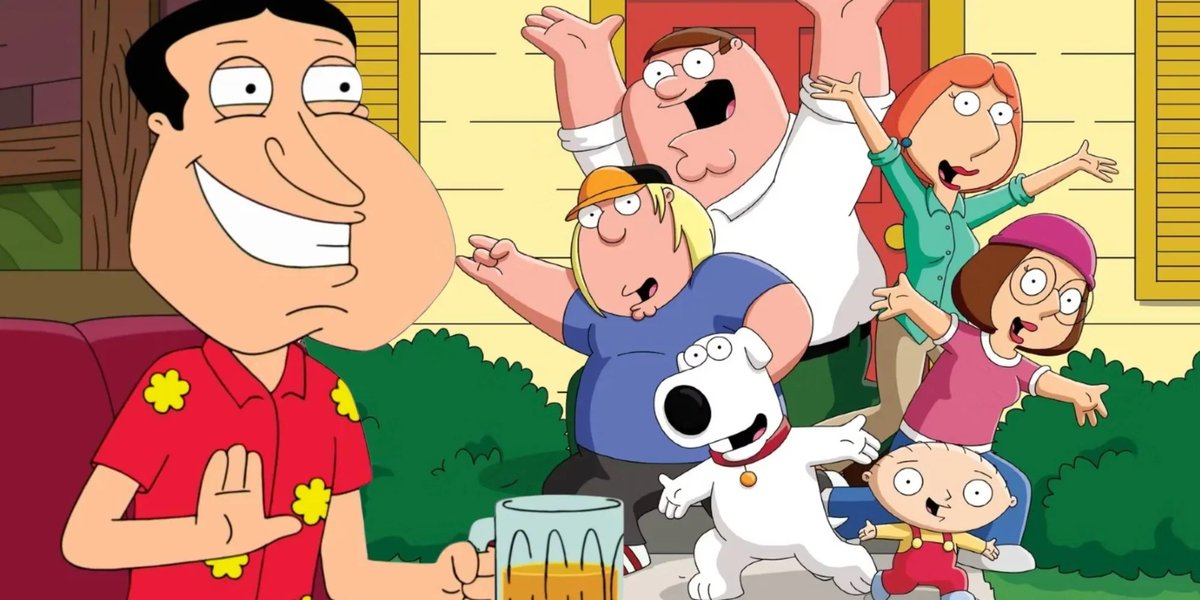
When you’re looking to dive into the irreverent, often outrageous, and surprisingly poignant world of Quahog, choosing where to start can feel like a quest for the golden turkey. With over 400 episodes spanning 25 years, "Family Guy," Seth MacFarlane’s groundbreaking animated sitcom, has built a legacy of sharp pop culture commentary, satirical jabs at everything from politics to entertainment, and a unique brand of humor that’s either loved or loathed. But among the vast catalog, certain gems rise to the top, earning their place as Top-Rated & Fan-Favorite Family Guy Episodes of all time.
These aren't just random picks; they're episodes that cemented the show's status, pushed boundaries, delivered unforgettable jokes, or showcased the surprising heart beneath the crass exterior. Whether you're a long-time fan seeking a nostalgic rewatch or a curious newcomer wondering what all the fuss is about, this guide will walk you through the very best.
At a Glance: Your Guide to "Family Guy" Greatness
- Long-Running Legacy: The show premiered in 1999 and boasts over 400 episodes across 23 seasons, proving its enduring appeal.
- Signature Style: Expect sharp satire, cutaway gags, pop culture lampooning, and often provocative humor.
- Key Characters: Follow the misadventures of Peter, Lois, Meg, Chris, Brian, and Stewie Griffin in Quahog, Rhode Island.
- Evolution Over Time: The series has adapted, experimented with formats, and occasionally softened its edges while retaining its core identity.
- Beyond the Laughs: Many top episodes offer surprising emotional depth, clever parodies, or insightful social commentary.
- Where to Watch: The first 22 seasons are streaming on Hulu, with current episodes airing on Fox.
A Quarter-Century of Quahog: The Enduring Appeal of the Griffins
Since its post-Super Bowl XXXIII debut on January 31, 1999, "Family Guy" has been a consistent, if sometimes controversial, presence on television screens. Created by Seth MacFarlane, the show quickly carved out its niche by taking the animated sitcom formula and injecting it with a rapid-fire, often non-sequitur style of humor. It’s a show that doesn't just tell stories; it comments on the very nature of storytelling, frequently breaks the fourth wall, and isn't afraid to get political, often reflecting MacFarlane's liberal sensibilities. This blend of irreverence and sharp wit has garnered Emmy nominations and wins, particularly for its innovative voice work and animation.
But what makes an episode truly "top-rated" or a "fan-favorite"? It's often a combination of factors: groundbreaking humor, memorable musical numbers, compelling character development (however fleeting), brilliant parodies, or simply episodes that dared to be different. Let's delve into the ones that consistently hit the mark.
The Episodes That Defined "Family Guy"
Some episodes weren't just good; they were foundational. They established the show's format, introduced iconic running gags, or showcased its unique brand of humor in a way that set the stage for everything that followed.
"Road to Rhode Island" (Season 2, Episode 13)
Widely considered a trailblazer, this 2000 episode was the first in what would become the beloved "Road to..." series, a direct homage to Bing Crosby and Bob Hope's "Road to..." movies. It follows Brian and Stewie on a cross-country adventure after Brian gets drunk and misses their flight. More than just a journey, the episode sees Brian seeking closure at the puppy mill where he was born, adding a surprising layer of emotional depth amidst the humor. Its memorable musical number and establishment of the duo's unique dynamic made it an instant classic and a blueprint for future adventures.
"Da Boom" (Season 2, Episode 3)
A standout for its ambitious premise, "Da Boom" sees Peter, convinced of an impending Y2K catastrophe, forcing his family into a basement. When Y2K does turn the world into a post-apocalyptic nuclear wasteland, Peter temporarily becomes mayor of "New Quahog." This episode is notable for introducing several long-running bits, most famously Peter's ongoing feud with the giant chicken, which would recur for years in increasingly elaborate fight sequences. It's a testament to the show's early willingness to go big and completely off-the-rails.
"PTV" (Season 4, Episode 14)
This episode is an early, brilliant example of "Family Guy's" meta-humor. In response to new FCC censorship mandates following Janet Jackson's infamous "wardrobe malfunction," Peter launches his own television network, PTV, broadcasting uncensored content from his living room. "PTV" brilliantly lampoons the arbitrary nature of censorship and explores the relationship between entertainment and societal standards, proving that "Family Guy" could be both hilarious and incisive. It’s a must-watch for understanding the show's philosophical backbone regarding free speech and comedy.
Genre Bending & Pop Culture Brilliance
"Family Guy" thrives on parody. Its ability to dissect and lovingly lampoon movies, TV shows, and historical events is a cornerstone of its appeal. These episodes showcase the show at its satirical best.
"Blue Harvest" (Season 6, Episode 1)
If you're a "Star Wars" fan, "Blue Harvest" is essential viewing. This critically acclaimed, hour-long episode is a loving, shot-for-shot parody of "Star Wars: A New Hope," reimagining the iconic characters through the "Family Guy" lens. It doesn't just make jokes; it meticulously recreates scenes, then infuses them with Peter Griffin's unique brand of logic and the show's signature cutaways. It’s a masterclass in parody, offering endless laughs and a deep appreciation for both franchises.
"Three Kings" (Season 7, Episode 15)
With the explicit blessing of Stephen King himself, "Three Kings" delivers "Family Guy" parodies of three famous King adaptations: "Stand by Me," "Misery," and "The Shawshank Redemption." This episode is a showcase of the show's versatility, effortlessly shifting tones while maintaining its comedic edge. Featuring cameos from Richard Dreyfuss and Roy Scheider, it's a treat for film buffs and King fans alike, demonstrating the show's ability to pay homage while still injecting its unique brand of humor.
"Leggo My Meg-O" (Season 10, Episode 4)
A brilliant parody of the "Taken" film series, this episode features Peter Griffin hilariously impersonating Liam Neeson when Meg is kidnapped in Paris. What makes it a fan-favorite is not just the clever send-up of the revenge genre, but the rare central storyline it provides for Meg. Often the punching bag of the family, Meg gets a chance to shine (or at least be the focus), allowing Mila Kunis to deliver a standout voice performance. It's a reminder that even the most maligned characters can have their moment in the spotlight.
"Back to the Pilot" (Season 10, Episode 5)
Brian and Stewie use a time machine to travel back to 1999, specifically to the first "Family Guy" episode. Brian's attempt to warn his past self about 9/11 creates a catastrophic ripple effect, transforming their world into a post-nuclear hellscape and leading to a civil war. This episode is a superb send-up of "Back to the Future" and "Star Trek," filled with cultural references and Easter eggs that long-time fans will relish. It's smart, self-aware, and playfully messes with the show's own history.
The Dynamic Duo: Stewie & Brian's Best Adventures
The bond between Stewie and Brian forms the unexpected heart of "Family Guy." Their globetrotting, time-traveling, and philosophical debates have led to some of the show's most inventive and beloved episodes.
"Road to the North Pole" (Season 9, Episode 7)
Another fantastic "Road to..." installment, this one sees Brian and Stewie embark on a mission to kill Santa Claus, believing he's a fraud. However, they soon discover the harsh realities of Santa's overwork and the overwhelming greed of humanity. The episode manages to combine an uplifting message about helping others with the show's signature raunchy humor and features some truly memorable musical numbers. It's a holiday special that defies expectations and truly delivers.
"Road to the Multiverse" (Season 8, Episode 1)
This groundbreaking "Road to..." episode from 2009 saw Stewie and Brian using a magical remote to visit an array of parallel universes, getting stuck in one where dogs rule over humans. Beyond the imaginative premise, "Road to the Multiverse" was a significant episode as it was the first newly-produced one after the 2007/2008 writers' strikes. Its visual creativity and clever concepts earned Greg Colton an Individual Achievement in Animation Emmy, solidifying its place as a fan favorite.
"Yug Ylimaf" (Season 11, Episode 4)
The 200th episode (its title is "Family Guy" spelled backward), "Yug Ylimaf" is a celebratory and clever installment. Brian's misuse of Stewie's time machine to impress dates causes time to run backward, threatening the spacetime continuum and Stewie's very existence. The episode is packed with references to previous episodes and pays homage to "Star Trek"-style storytelling, making it a treat for long-time viewers who appreciate the show's meta-commentary and deep lore.
Unpacking Character Quirks & Controversies
Sometimes, the best "Family Guy" episodes zero in on individual characters, pushing them into new, often absurd, situations that highlight their unique personalities. These episodes often spark discussion and showcase the show's willingness to tackle sensitive topics with its signature provocative edge.
"Petarded" (Season 4, Episode 6)
From the show's triumphant fourth-season return (after its initial cancellation), "Petarded" sees Peter diagnosed with an intellectual disability, which he subsequently twists into a claim of superiority. The comedy in this episode cleverly lampoons Peter's reaction and inflated ego rather than those with genuine developmental issues. It's a prime example of "Family Guy's" ability to walk a fine line, using absurdity to comment on human nature.
"Stewie Loves Lois" (Season 5, Episode 1)
This episode is a fascinating look at the evolving, often bizarre, relationship between Stewie and Lois. While Peter organizes the town against a local doctor following a prostate exam, Stewie makes an intense attempt to monopolize Lois's attention, realizing his deep-seated care for her. It flips their typical dynamic on its head, showing a more vulnerable, yet still obsessive, side of Stewie, proving there's more to him than just matricidal impulses.
"The Thin White Line" (Season 3, Episode 1)
Brian takes center stage when he volunteers as a drug-sniffing dog for the police, only to become addicted himself. The episode cleverly parodies old police movie tropes, but it's Peter's B-plot that provides standout comedy: his attempt to infiltrate rehab, hilariously mistaking it for a swanky cruise. "The Thin White Line" showcases Brian's struggles and the family's reaction in a way that blends serious themes with the show's characteristic absurdity.
"FOX-y Lady" (Season 7, Episode 10)
This episode directly addresses the clash between Seth MacFarlane's liberal views and Fox's conservative politics. Lois becomes a Fox News reporter, only to discover subtle (and not-so-subtle) restrictions on reporting negative stories about right-wing figures like Rush Limbaugh. With guest stars like Seth Rogen and Fred Savage, it's a pointed satire on media bias and corporate influence, making it a historically significant episode for understanding the show's political stance. Peter's B-plot involves pitching a cartoon called "Handi-Quacks," adding another layer of typical "Family Guy" irreverence.
"The D in Apartment 23" (Season 19, Episode 10)
A more modern episode, "The D in Apartment 23" directly tackles the complexities of cancel culture. Brian faces intense public backlash and a "literal mob" after a racially charged joke on Twitter goes viral. The episode forces him to defend his progressive credentials and navigate the unforgiving landscape of social media outrage. It's a timely and surprisingly nuanced take on a very contemporary issue, proving "Family Guy" can still be relevant and provocative years into its run.
"And the Wiener Is" (Season 3, Episode 5)
This early episode boldly addresses taboos, with Peter feeling insecure about his manhood compared to Chris. He eventually realizes manliness extends beyond physical size after Chris bravely fends off a bear. Separately, Lois encourages Meg to prank a cheerleader with unexpected help from Quagmire. It's a classic example of "Family Guy" pushing boundaries and exploring awkward themes with its unique comedic lens.
Epic Sagas & Crossover Events
Sometimes "Family Guy" goes big, delivering multi-part episodes or major crossover events that are memorable for their scope and ambition.
"Stewie Kills Lois" (Season 6, Episode 4) and "Lois Kills Stewie" (Season 6, Episode 5)
This two-part saga is a pivotal moment in the series. "Stewie Kills Lois" finally sees Stewie acting on his long-standing threats, seemingly shooting and killing Lois on a cruise. Peter is framed for the murder, leading to a dramatic shift. "Lois Kills Stewie" then reveals Stewie's grand plan, as he becomes a fugitive and takes over the nation. The episodes feature "American Dad" cameos and a meta-discussion between Brian and Stewie on fake-out endings, showcasing Stewie's chilling potential for global domination and offering a dramatic, high-stakes narrative unlike most "Family Guy" episodes.
"And Then There Were Fewer" (Season 9, Episode 1)
This hour-long murder mystery is a standout for its unique format and homage to classic whodunits. Taking cues from Agatha Christie's "And Then There Were None" and the film "Clue," the episode sees James Woods inviting various Quahog citizens to a dinner party on his remote island. When guests start mysteriously dying, the remaining characters must uncover the killer. Featuring a stellar cast of guest stars like Drew Barrymore, Ashley Tisdale, and Patrick Stewart, with James Woods hilariously poking fun at his own reputation, it’s a brilliant deviation from the typical "Family Guy" episode.
"The Simpsons Guy" (Season 13, Episode 1)
A highly anticipated crossover event, "The Simpsons Guy" brought together two animated giants. The Griffin family, after their car is stolen, finds themselves in Springfield and stays with the Simpsons. The episode culminates in an epic, prolonged fight between Homer and Peter, fueled by a legal dispute over Pawtucket Patriot brewery allegedly copying Duff Beer. With five main "Simpsons" voice actors appearing, this hour-long special delivered on fan expectations, providing a memorable blend of both shows' humor and a clash of animation titans.
Unique Premises & Standalone Gems
Beyond the overarching themes, some episodes simply shine for their clever premises, memorable guest stars, or standout comedic bits. You can Explore great Family Guy episodes that often surprise you with their originality.
"Death Is a Bitch" (Season 2, Episode 6)
When the personification of Death breaks his leg due to Peter, he recuperates at the Griffins' home, leading Peter to temporarily take on the role of reaping human souls. This episode features a truly standout voice performance by the late Norm Macdonald as Death, whose dry wit perfectly complements the grim reaper's mundane existence. It's a darkly humorous exploration of mortality and responsibility, filtered through the absurdity of Peter Griffin.
"McStroke" (Season 6, Episode 10)
Notably written without Seth MacFarlane during the WGA 2007–2008 strike, "McStroke" focuses on Peter suffering a burger-induced stroke and suing the fast food chain. Parallel to this, Stewie attempts to become a popular high school student in a week. The episode is a testament to the writing staff's ability to deliver sharp comedy even without the creator's direct involvement, blending social commentary on corporate responsibility with classic "Family Guy" character-driven humor.
"Emmy-Winning Episode" (Season 16, Episode 1)
This episode is pure meta-commentary. Seth MacFarlane, through Peter, vents his long-standing frustration over "Family Guy" never winning a Best Comedy Emmy. Peter then desperately attempts to rip off award-winning shows (like "Modern Family" and "Transparent") to finally secure the coveted prize. It's a hilarious critique of the nature of comedy deemed worthy of major praise and the often-absurd criteria for awards, all while being genuinely funny itself.
"Airport 07" (Season 5, Episode 12)
Quagmire faces career drama after Peter gets him fired as an airline pilot, leading to a dangerous attempt at a new line of work. This episode is packed with classic "Family Guy" elements: a memorable cameo from Hugh Hefner, rapid-fire cutaway comedy, and numerous cultural references. It’s a great example of an episode that focuses on a supporting character while still delivering consistent laughs and escalating stakes.
"Meet the Quagmires" (Season 5, Episode 18)
Peter uses Stewie's time machine to revisit his single life, but accidentally creates an alternate reality where Lois is married to Quagmire. Peter must then restore the timeline, leading to a mix of lowbrow humor and surprisingly sweet moments where Peter appreciates Lois. It’s a clever homage to the "Back to the Future" trilogy, showcasing the show's ability to blend pop culture references with genuine character moments, however fleeting.
"To Love and Die in Dixie" (Season 3, Episode 12)
The Griffin family enters witness protection in the American South after Chris observes a crime. This episode delivers rapid-fire jokes targeting various cultural aspects, from the Civil War to same-sex relationships, all while evolving characters and storytelling. It showcases the show's willingness to lean into regional stereotypes for comedic effect, often to hilarious, if sometimes provocative, results.
Your Next Binge-Watch Awaits
"Family Guy" has journeyed through controversies, cancellations, and countless cutaway gags, yet it continues to be a staple of animated television. Its enduring appeal lies in its fearless humor, its surprising ability to weave in genuine emotion, and its relentless pursuit of comedic boundaries. The episodes highlighted here represent the pinnacle of its creativity, its sharpest wit, and its most memorable moments.
Whether you're looking for a laugh-out-loud parody, a thought-provoking satire, or a surprisingly heartwarming adventure with Stewie and Brian, these top-rated and fan-favorite episodes offer a perfect starting point. So, settle in, dim the lights, and prepare for a trip back to Quahog – you’re in for a wild, unforgettable ride.